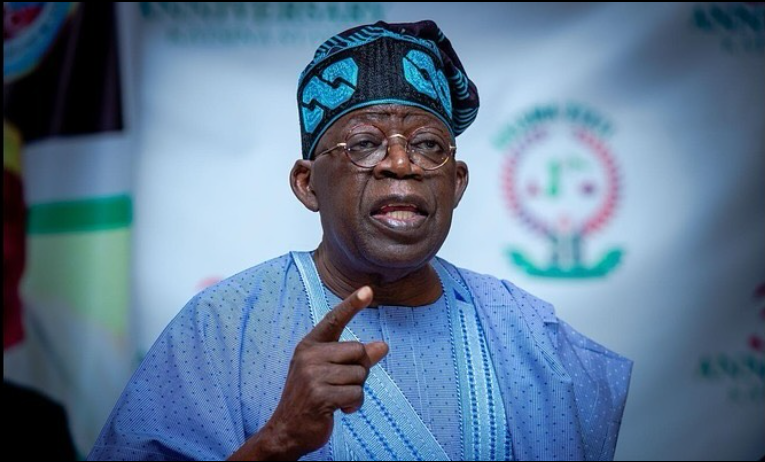
President Bola Tinubu has postponed his planned trip to South Africa and Angola for the G-20 Leaders’ Summit and the AU-EU Summit due to worsening insecurity in Nigeria, including the abduction of 24 schoolgirls in Kebbi State and a deadly attack on worshippers in Kwara State.
President Tinubu was scheduled to depart Abuja for Johannesburg to attend the 20th G-20 Leaders’ Summit and then proceed to Luanda for the 7th AU-EU Summit. However, following fresh reports of insecurity, he suspended his departure to receive additional security briefings. According to his Special Adviser on Information and Strategy, Bayo Onanuga, Tinubu directed the military and police to deploy more personnel to Eruku and the entire Ekiti Local Government Area of Kwara State, where bandits attacked worshippers at the Christ Apostolic Church. He also ordered an aggressive pursuit of the bandits responsible for the attack.
The President’s decision was influenced by appeals from the Governor of Kwara State, who requested increased federal security presence in the region. Tinubu also awaits reports from Vice President Kashim Shettima, the Department of State Services (DSS), and the police regarding both the Kwara attack and the abduction of schoolgirls in Kebbi.
This postponement underscores the gravity of Nigeria’s current security challenges. The abduction of schoolgirls in Kebbi recalls similar tragedies in Chibok and Dapchi, raising fears of another prolonged hostage crisis. Meanwhile, the attack on worshippers in Kwara highlights the vulnerability of religious communities amid rising banditry.
Tinubu’s choice to prioritize domestic security over international diplomacy reflects the urgency of stabilizing Nigeria before engaging in global summits. While his absence from the G-20 and AU-EU meetings may limit Nigeria’s voice in critical discussions on trade, climate, and global governance, the President’s move signals that restoring peace and protecting citizens is his immediate priority.
The coming weeks will be crucial as Nigerians watch whether the government’s directives translate into tangible improvements in security. For many, the hope is that this decisive step will mark a turning point in addressing the wave of violence that has plagued communities across the country.
Leave a Reply